






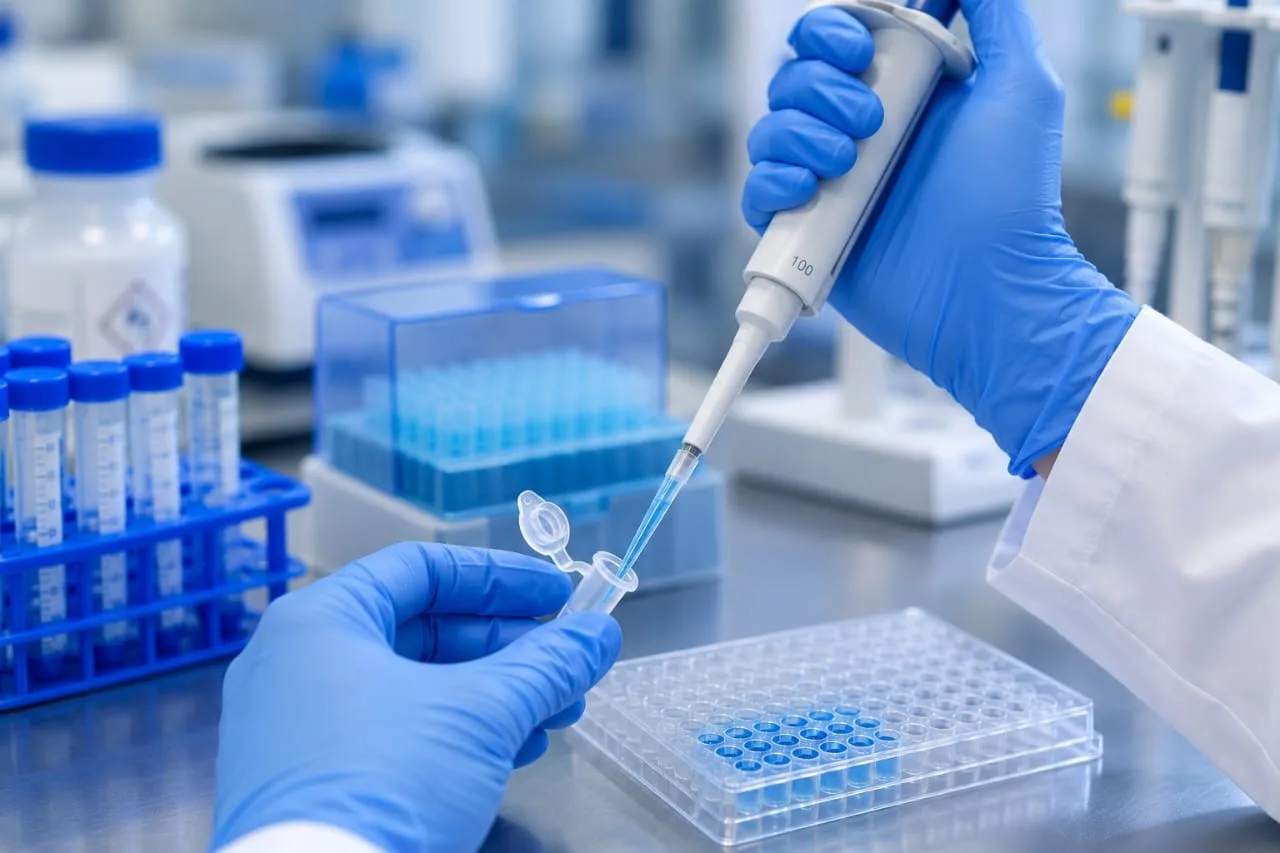
Reducing Contamination Risks in Laboratory Workflows: Best Practices for Reliable Results
Reducing Contamination Risks in Laboratory Workflows: Learn how equipment selection, sample handling, cleaning, and preventive practices improve laboratory reliability.
Reducing Contamination Risks in Laboratory Workflows: Best Practices for Reliable Results
Introduction
Laboratory contamination is one of the leading causes of inaccurate test results, compromised research data, and unnecessary repeat analyses. Whether in clinical diagnostics, microbiology, pharmaceutical quality control, biotechnology, food testing, or academic research, maintaining contamination-free workflows is essential for achieving reliable and reproducible results.
Contamination can originate from personnel, equipment, laboratory water, consumables, or environmental conditions. Even small amounts of unwanted biological, chemical, or particulate matter can affect analytical accuracy, delay workflows, and increase operational costs. By combining good laboratory practices with well-maintained equipment, laboratories can significantly reduce contamination risks while improving efficiency and data quality.
This article explores common contamination sources and practical strategies to prevent them, highlighting how properly designed laboratory equipment supports cleaner and more reliable laboratory operations.
What Is Laboratory Contamination?
Laboratory contamination occurs when unwanted substances are introduced into samples, reagents, instruments, or work areas, potentially affecting analytical performance and compromising experimental results.
Common contamination sources include microorganisms, airborne particles, chemical residues, cross-contaminated samples, residual cleaning agents, human biological material, impurities in laboratory water, and poorly maintained equipment. Since contamination can occur at multiple stages of a workflow, identifying these risks is the foundation of an effective laboratory quality management program.
What are the Common Sources of Contamination?
Personnel
Laboratory personnel are among the most common sources of contamination. Improper glove use, inadequate hand hygiene, incorrect PPE practices, and poor sample handling can all introduce contaminants during routine procedures. Regular staff training and strict adherence to standard operating procedures (SOPs) remain essential for minimizing human error.
Laboratory Equipment
Improperly cleaned or poorly maintained equipment can transfer contaminants between samples and compromise analytical reliability. Instruments such as centrifuges, laboratory incubators, water baths, dry bath incubators, pipettes, and water purification systems require routine cleaning and preventive maintenance to ensure consistent performance.
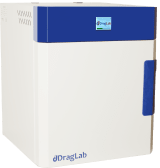
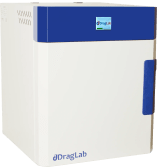
Modern laboratory equipment can also help reduce contamination risks. DragLab Laboratory Incubators, with stainless-steel chambers and easy-to-clean interiors, simplify routine sanitation, while DragLab Dry Bath Incubators eliminate water from the heating process, reducing one potential source of microbial growth. Regular maintenance of these systems helps preserve both equipment performance and sample integrity.
Laboratory Environment
Airborne particles, inadequate ventilation, excessive laboratory traffic, poor workspace organization, and uncontrolled humidity can all contribute to contamination. Maintaining clean workspaces, organizing laboratory activities, and controlling environmental conditions help create a more stable and reliable testing environment.
Reagents and Water Quality
The quality of reagents and laboratory water directly affects analytical accuracy. Using laboratory-grade reagents together with high-quality distilled or purified water reduces the introduction of unwanted impurities during sample preparation and routine laboratory procedures.
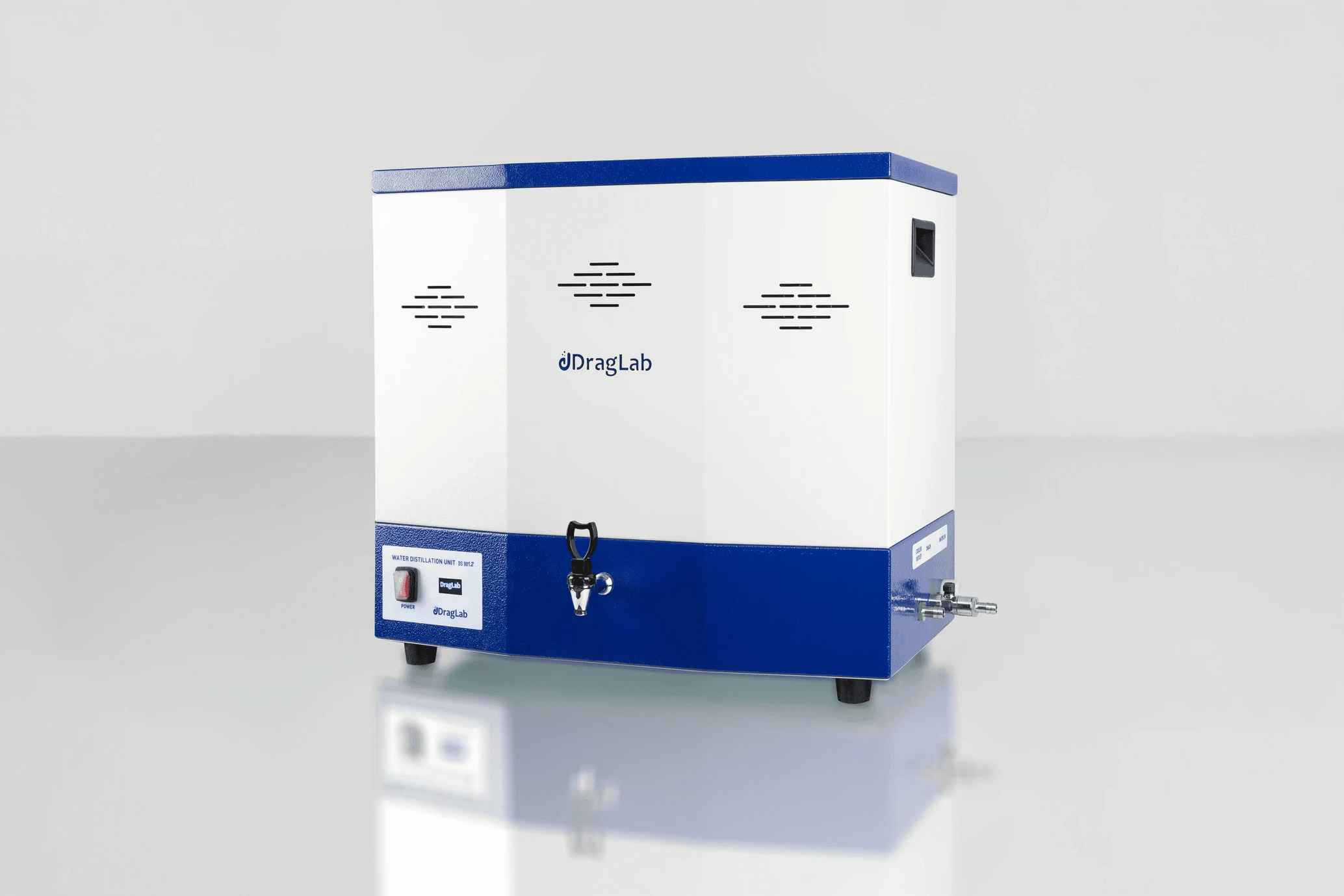
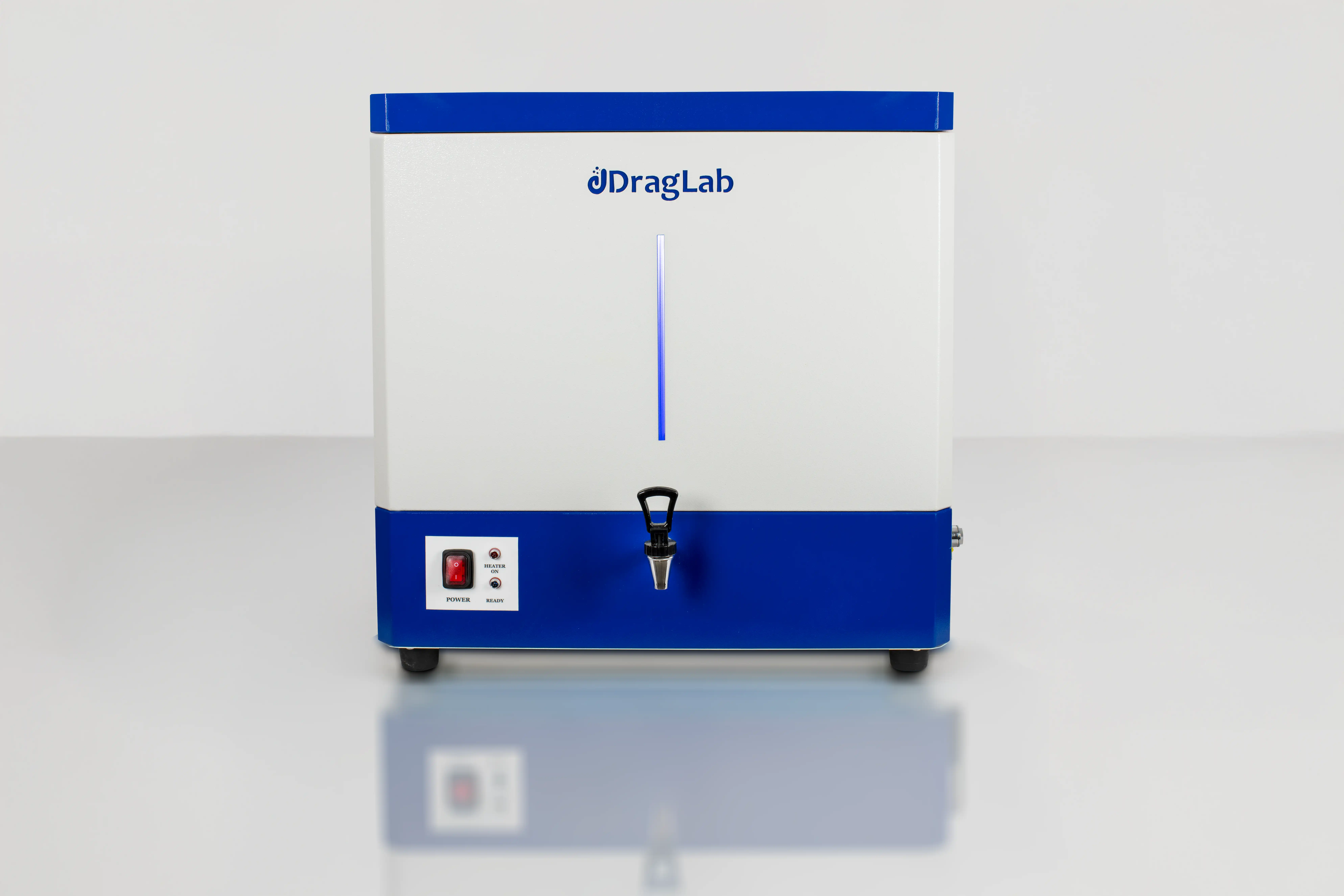
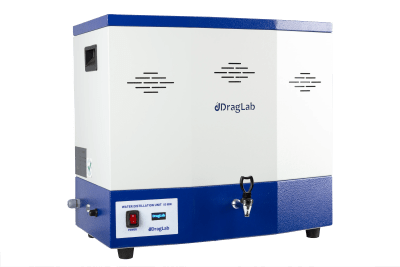
For laboratories that require a dependable source of distilled water, DragLab Water Stills provide an efficient solution for producing high-quality distilled water suitable for a wide range of everyday laboratory applications.
How Equipment Supports Contamination Prevention
Well-designed laboratory equipment plays an important role in contamination control by providing stable operating conditions and simplifying routine cleaning. Equipment with smooth, corrosion-resistant surfaces and accessible components is easier to maintain, reducing the accumulation of residues that may affect sample integrity.
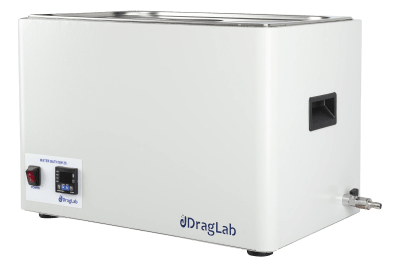
For example, DragLab Laboratory Incubators feature stainless-steel chambers and removable shelves that facilitate cleaning and help maintain hygienic conditions. DragLab Water Baths are designed for reliable temperature uniformity and straightforward maintenance, while DragLab Dry Bath Incubators eliminate the need for water, reducing the risk of microbial growth associated with water-based heating systems.
Routine cleaning and inspection are equally important for DragLab Laboratory Centrifuges, where proper rotor maintenance helps prevent residue buildup and cross-contamination. In addition, DragLab Water Stills provide laboratories with a dependable source of distilled water for routine applications, reducing impurities commonly found in untreated water. For applications requiring clean and controlled drying conditions, DragLab Drying Ovens support consistent performance while simplifying routine maintenance.
Best Practices for Reducing Contamination
Preventing contamination requires consistent laboratory practices rather than a single corrective action. The following measures help improve laboratory reliability and reduce the likelihood of cross-contamination:
- Clean work surfaces and equipment before and after laboratory procedures.
- Follow validated Standard Operating Procedures (SOPs) for sample handling and equipment use.
- Perform routine equipment cleaning, inspection, and preventive maintenance.
- Use appropriate personal protective equipment (PPE) for each application.
- Separate clean and contaminated work areas whenever possible.
- Monitor laboratory water quality to ensure it is suitable for the intended application.
When these practices are combined with reliable laboratory equipment, laboratories can significantly improve analytical consistency and operational efficiency.
Common Mistakes That Increase Contamination Risk
Even well-equipped laboratories may experience contamination if routine practices are overlooked. Common mistakes include reusing disposable materials, skipping equipment cleaning, using poor-quality laboratory water, delaying preventive maintenance, overcrowding workspaces, and failing to follow established sample handling procedures.
Recognizing and correcting these issues helps laboratories improve data quality while reducing unnecessary repeat testing and operational costs.
Comparison: High-Risk Practices vs Best Practices
|
Potential Risk |
Recommended Practice |
|
Dirty equipment |
Perform routine cleaning and preventive maintenance |
|
Contaminated laboratory water |
Use laboratory-grade purified or distilled water |
|
Poor sample handling |
Follow validated SOPs |
|
Shared workspaces |
Separate clean and contaminated areas |
|
Irregular maintenance |
Maintain documented maintenance schedules |
|
Inadequate PPE |
Use appropriate protective equipment |
Benefits of Contamination Prevention
An effective contamination prevention strategy improves more than laboratory cleanliness—it enhances the overall quality and efficiency of laboratory operations. By minimizing contamination risks, laboratories can achieve more accurate and reproducible results, reduce repeat testing, extend equipment lifespan, and improve compliance with quality management systems such as ISO/IEC 17025 and Good Laboratory Practice (GLP).
Reliable equipment, regular maintenance, and standardized procedures also contribute to greater confidence in analytical data while supporting a safer and more productive laboratory environment.
Frequently Asked Questions
What is laboratory contamination?
Laboratory contamination is the unintended introduction of unwanted biological, chemical, or particulate substances into samples, reagents, equipment, or work areas, potentially affecting the accuracy and reliability of analytical results.
Can laboratory equipment help reduce contamination?
Yes. Equipment designed for easy cleaning, stable operating conditions, and routine maintenance supports contamination control. Products such as DragLab Incubators, Water Baths, Dry Bath Incubators, Centrifuges, Water Stills, and Drying Ovens are designed to promote reliable laboratory workflows while simplifying routine maintenance.
Why is water quality important in contamination prevention?
Water is used throughout many laboratory procedures, from reagent preparation to equipment cleaning. Using high-quality distilled or purified water helps minimize impurities that may interfere with analytical performance and experimental consistency.
Scientific Notes
Contamination prevention is a fundamental component of laboratory quality management. International standards, including ISO/IEC 17025 and the OECD Principles of Good Laboratory Practice (GLP), emphasize controlled laboratory environments, validated procedures, equipment maintenance, and personnel competency as essential elements for producing reliable and reproducible scientific results.
Conclusion
Reducing contamination risks requires a systematic approach that combines good laboratory practices, trained personnel, proper sample handling, high-quality laboratory water, and well-maintained equipment. While contamination cannot be eliminated entirely, consistent preventive measures greatly improve laboratory reliability, operational efficiency, and confidence in analytical results.
Laboratories equipped with reliable solutions such as DragLab Laboratory Incubators, Water Baths, Dry Bath Incubators, Centrifuges, Water Stills, and Drying Ovens can further strengthen contamination control by supporting stable operating conditions, simplified maintenance, and dependable day-to-day laboratory performance.
Looking to improve laboratory reliability and reduce contamination risks?
Explore DragLab's comprehensive range of laboratory equipment—including Incubators, Water Baths, Dry Bath Incubators, Centrifuges, Drying Ovens, and Water Stills—designed to support accurate results, efficient workflows, and easy maintenance.
Learn more: https://www.drag-lab.de/en
Contact our technical team to discover the right solution for your laboratory.
https://www.drag-lab.de/en/Contactus
Sources
DragLab Sources
- DragLab Official Product Catalog
- DragLab Product Pages (Incubators, Water Baths, Dry Bath Incubators, Centrifuges, Water Stills, Drying Ovens)
Scientific References
- ISO/IEC 17025 – General Requirements for the Competence of Testing and Calibration Laboratories
- OECD Principles of Good Laboratory Practice (GLP)
- World Health Organization (WHO) – Laboratory Quality Management System Handbook
- CLSI GP17 – Clinical Laboratory Safety
- CDC – Biosafety in Microbiological and Biomedical Laboratories (BMBL)