





How to Choose the Right Water Still for Your Laboratory | Laboratory Distillation Guide
Learn how to choose the right laboratory water still based on capacity, storage requirements, and laboratory workflow. Discover key factors for selecting a reliable water distillation system.
Water purity plays a critical role in laboratory research, pharmaceutical production, and analytical testing. Many experiments require consistent, high-quality distilled water to ensure accurate results and prevent contamination. Choosing the right laboratory water still is therefore an important decision that can significantly impact laboratory efficiency and reliability.
Modern laboratories rely on water distillation systems to produce purified water with low conductivity and minimal impurities. However, selecting the appropriate water still depends on several technical and operational factors, including water demand, laboratory scale, and workflow requirements.
Understanding Laboratory Water Distillation
A laboratory water still produces distilled water through thermal distillation, a process that separates impurities from water by evaporation and condensation. When water is heated to its boiling point, it vaporizes while most dissolved solids, salts, and contaminants remain behind. The vapor is then cooled in a condenser, returning to liquid form as purified distilled water.
This method reliably produces laboratory water with conductivity levels around ~2.5 µS/cm at 25°C, which is suitable for many analytical and research applications.
Water distillation systems remain widely used in research laboratories, pharmaceutical facilities, and quality control environments due to their durability and consistent purification performance.
Key Factors to Consider When Choosing a Laboratory Water Still
Selecting the correct water still involves evaluating both technical specifications and laboratory workflow requirements.
1. Daily Water Consumption
The first step in choosing a water still is determining how much distilled water your laboratory consumes each day. Laboratories that perform only occasional experiments may require lower production capacity, while busy facilities may require continuous water generation.
Typical capacity considerations include:
- Small laboratories: 2–4 liters per hour
- Medium research facilities: 4–8 liters per hour
- High-demand laboratories: 12 liters per hour or more
- Industrial or institutional laboratories: up to 25 liters per hour
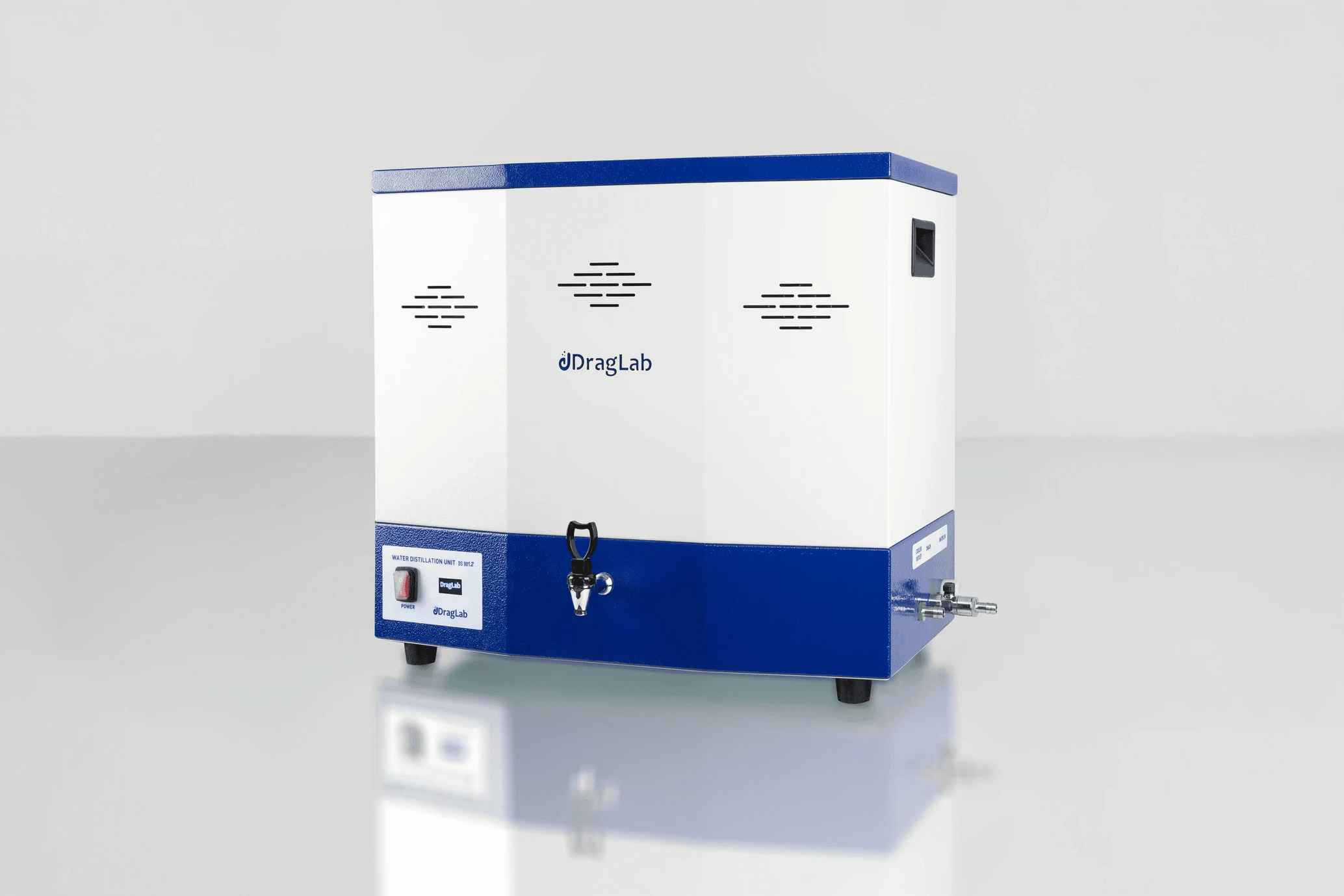
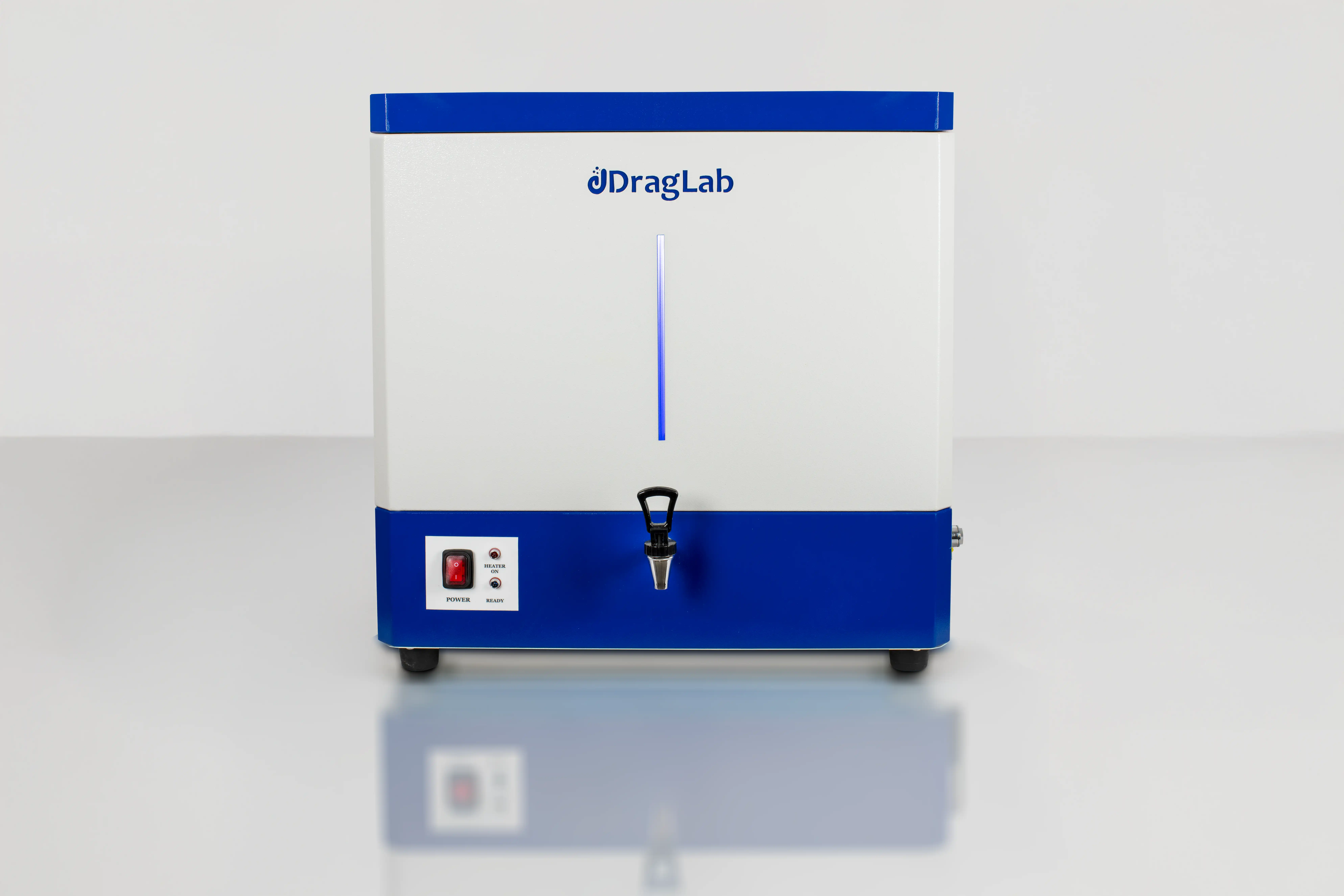
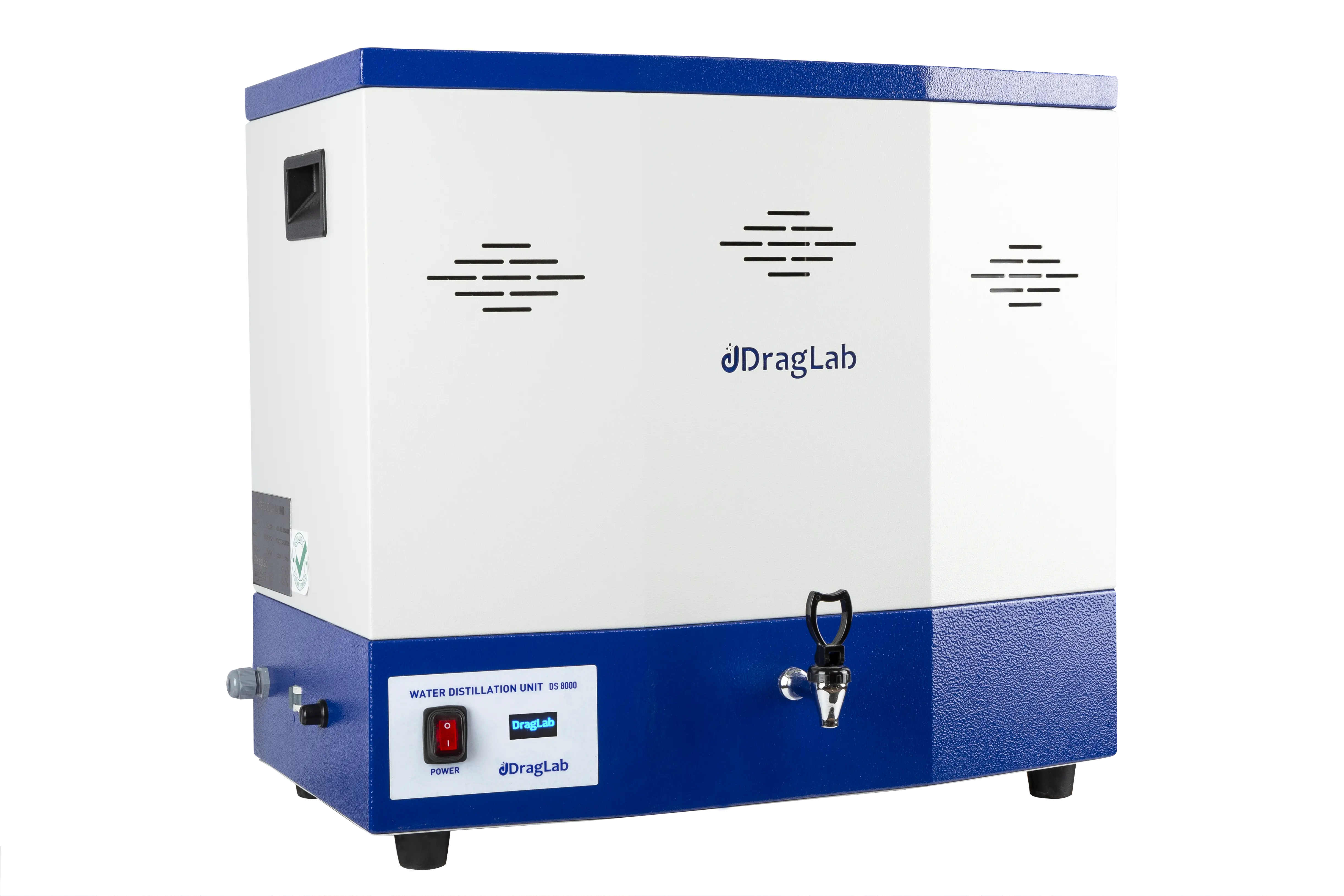
Systems such as the DragLab Water Still Series offer a range of capacities designed to support laboratories of different sizes and operational demands.
2. Storage Tank Requirements
Another important consideration is whether the laboratory requires an integrated storage tank.
Some water still systems produce distilled water continuously without storage, while others include built-in reservoirs that automatically store purified water and regulate the distillation process.
Storage tanks provide several advantages:
- Reduced supervision during operation
- Automatic start and stop based on water level
- Immediate access to distilled water when needed
- Improved workflow efficiency in busy laboratories
For laboratories with intermittent water usage, integrated storage tanks can greatly improve convenience.
3. Laboratory Size and Application
The type of laboratory and its research activities also influence the choice of water still.
Different laboratory environments require different production capacities and operational stability.
Examples include:
Academic and teaching laboratories
Often require smaller capacity units suitable for occasional experiments and demonstrations.
Research laboratories
May require moderate production capacity to support daily experimental workflows.
Pharmaceutical laboratories
Require consistent water purity and reliable production for formulation and quality control testing.
Industrial quality control facilities
Often require high-capacity distillation systems capable of supporting continuous laboratory operations.
Selecting equipment that matches the scale of laboratory activity ensures efficient resource use and consistent water availability.
4. Heating and Laboratory Equipment Integration
Water distillation relies on controlled heating to convert liquid water into vapor. Reliable heating systems are therefore essential to ensure stable distillation performance.
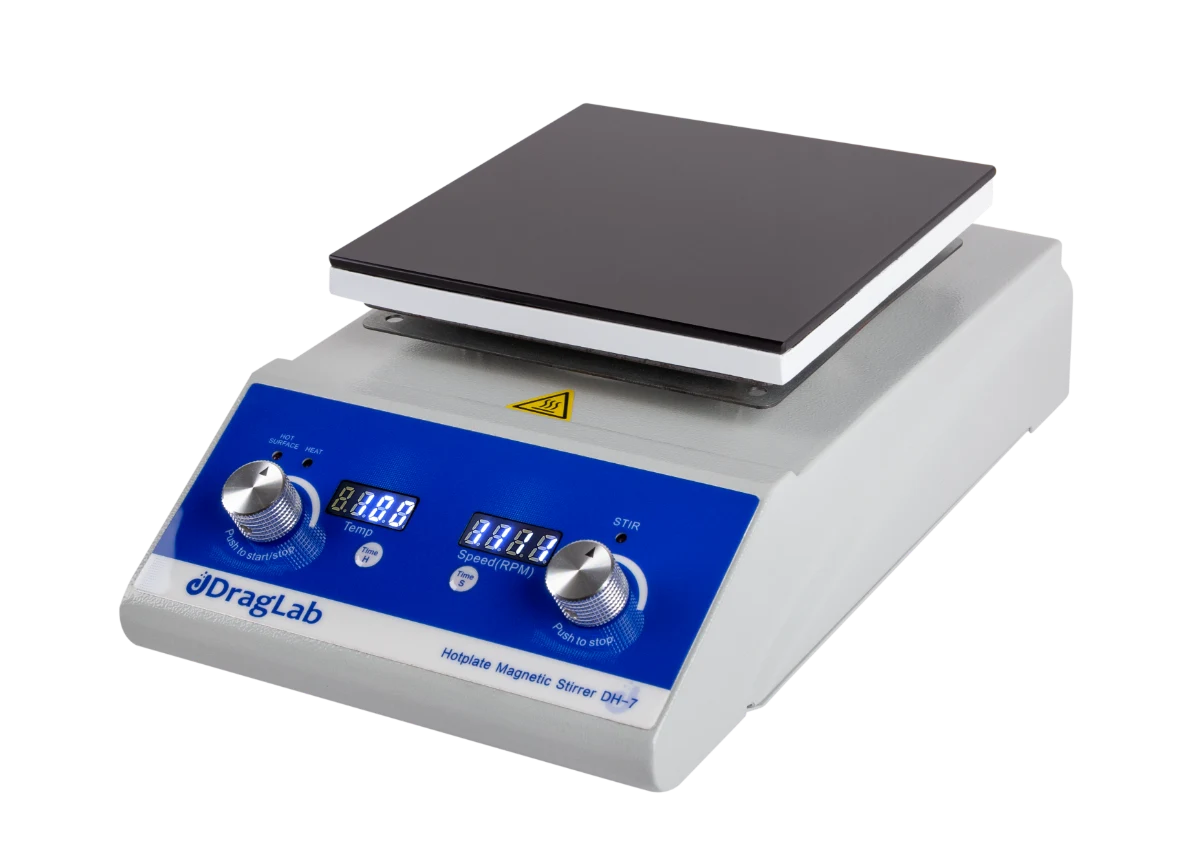
In laboratory environments, heating equipment such as the DragLab Hotplate Magnetic Stirrer Series is commonly used for reagent preparation, chemical mixing, and temperature-controlled sample processing. When combined with efficient water purification systems, these instruments support consistent experimental conditions across laboratory workflows.
5. Safety and Operational Reliability
Safety features are another critical factor when selecting laboratory water distillation equipment.
Modern water still systems should include several essential protection mechanisms, such as:
- Low-water cut-off protection
- Overheating protection
- Automatic water level control
- Continuous monitoring during operation
These features protect both the equipment and laboratory personnel while ensuring stable and reliable performance during long operating periods.
Advantages of Choosing the Right Water Still
Selecting the appropriate water distillation system provides several operational benefits:
- Consistent production of high-purity distilled water
- Improved laboratory efficiency and workflow management
- Reduced energy consumption by matching capacity to demand
- Increased reliability and equipment lifespan
- Reduced risk of experimental contamination
Choosing the correct capacity and configuration helps laboratories maintain productivity while minimizing operational costs.
Modern Laboratory Water Distillation Systems
Modern laboratory distillation equipment is designed to meet the needs of diverse scientific environments. Systems such as the DragLab Water Still Series provide scalable production capacities and durable stainless-steel construction to support laboratories ranging from small research facilities to large institutional laboratories.
With automated safety features and efficient condensation systems, these water stills provide reliable distilled water production for everyday laboratory operations.
Conclusion
Selecting the right laboratory water still requires careful evaluation of daily water consumption, laboratory scale, storage requirements, and safety features. By choosing a system that aligns with laboratory workflows, researchers can ensure consistent water purity and reliable experimental results.
Water distillation remains one of the most dependable methods for producing laboratory-grade water. When integrated with reliable laboratory equipment such as heating and mixing systems, laboratories can maintain precise control over both water purification and experimental preparation.
Investing in the appropriate water still ultimately supports scientific accuracy, operational efficiency, and long-term laboratory performance.