





What Is a Laboratory Water Still and How Does It Work? | Laboratory Water Distillation Guide
Learn what a laboratory water still is, how water distillation works, and why distilled water is essential in scientific laboratories. Discover modern laboratory water purification systems.
High-purity water is essential in modern laboratories. From preparing chemical reagents to microbiological culture media, the quality of water used directly affects experimental accuracy and reliability. One of the most widely used systems for producing purified laboratory water is the laboratory water still. These devices use distillation to remove dissolved salts, microorganisms, and other impurities, producing high-quality distilled water suitable for scientific applications.
Laboratory water stills remain a trusted purification method in research institutions, pharmaceutical laboratories, quality control departments, and educational facilities due to their reliability and simplicity.
What Is a Laboratory Water Still?
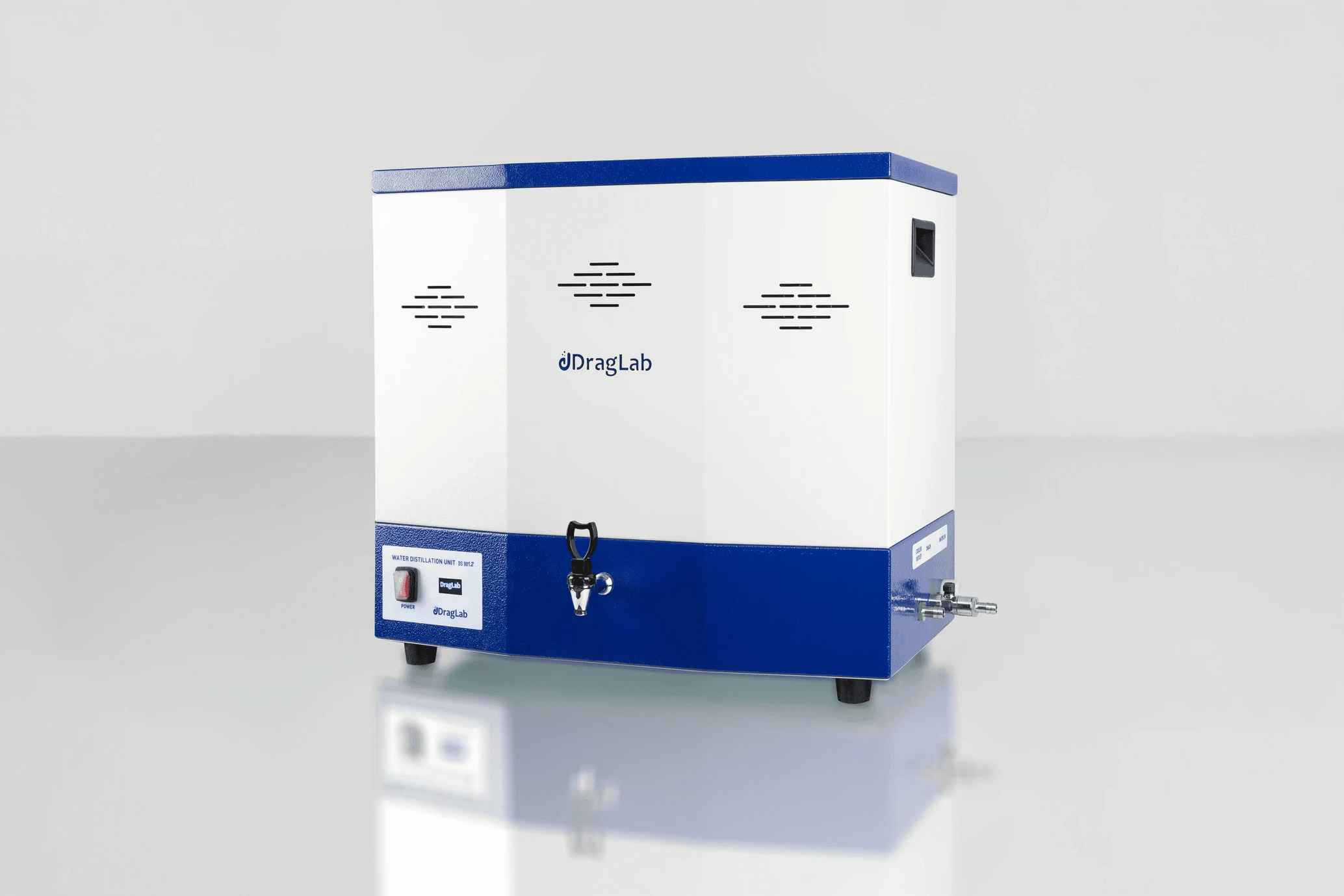
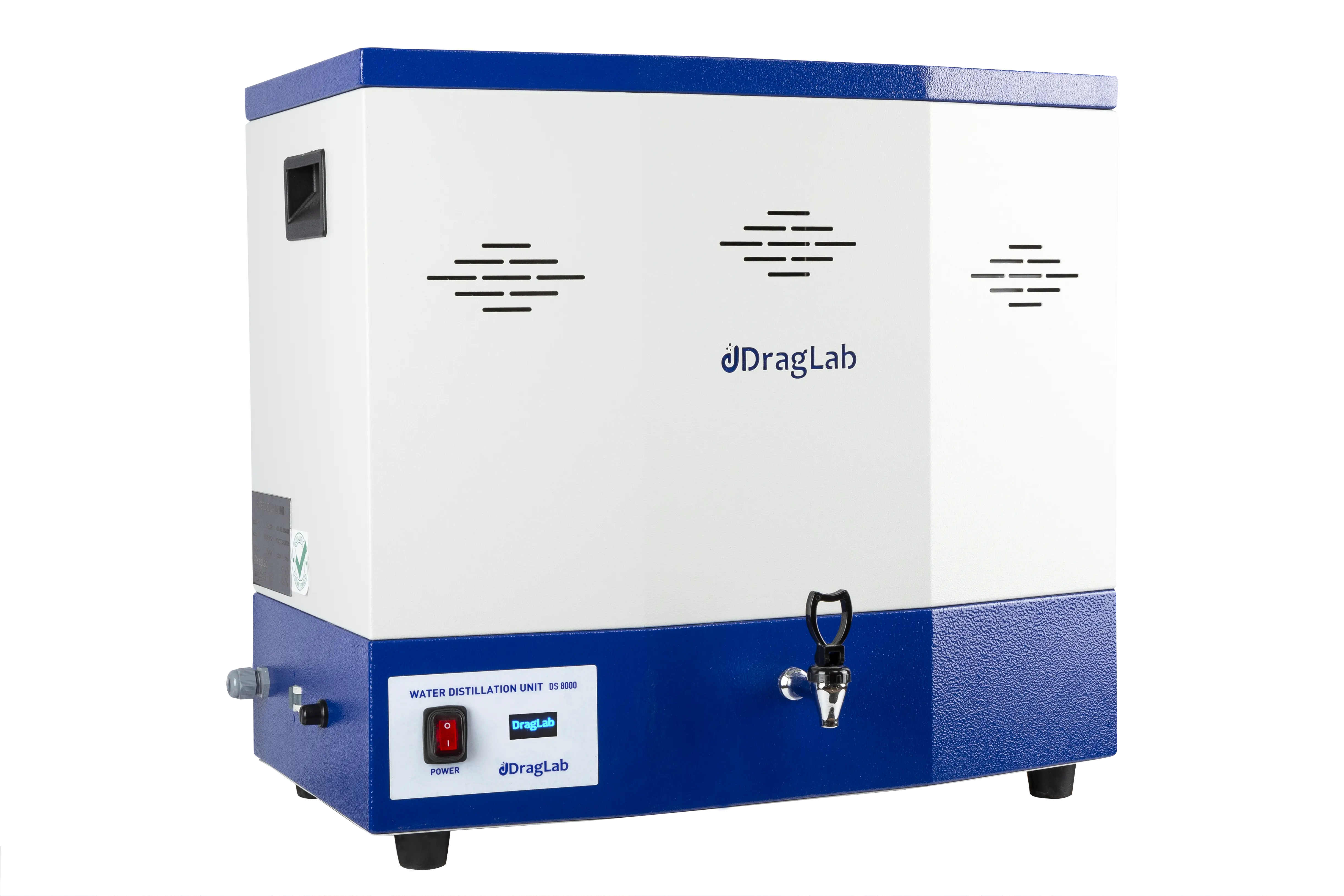
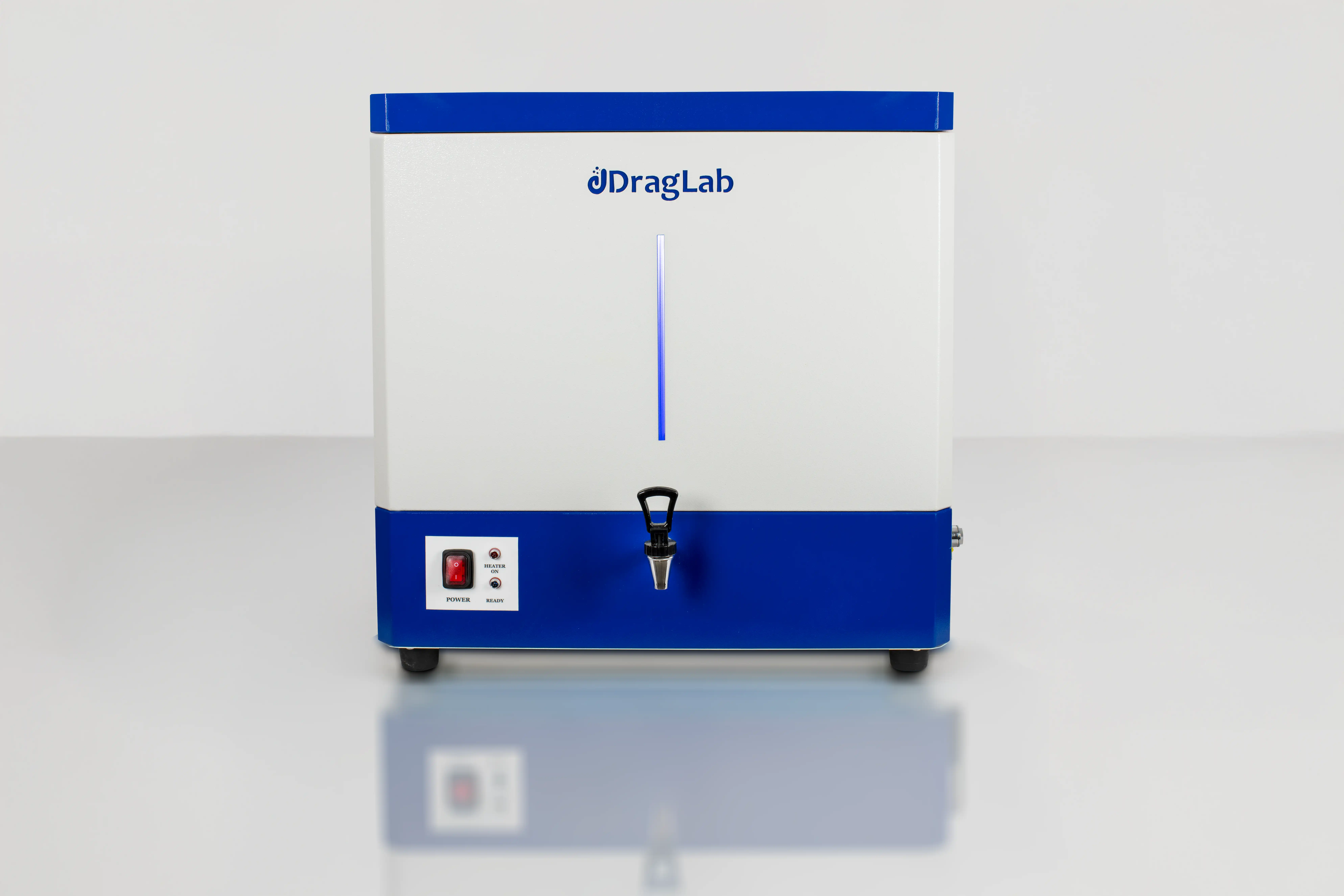
A laboratory water still is a scientific instrument designed to produce distilled water through the process of thermal distillation. The system heats water until it evaporates, then condenses the vapor back into liquid form, leaving most impurities behind in the boiling chamber.
Because many contaminants—including dissolved minerals, organic compounds, and microorganisms—do not vaporize with water, the resulting condensate is significantly purer than the original feed water.
Modern laboratory distillation units, such as those in the DragLab Water Still Series, are engineered with corrosion-resistant stainless steel components and automated safety systems to ensure consistent and safe operation in laboratory environments.
The Scientific Principle of Water Distillation
Water distillation relies on a fundamental physical process involving two main phases:
Evaporation and condensation.
When water is heated to its boiling point, it transitions from liquid to vapor. Most dissolved impurities remain in the boiling chamber because they have much higher boiling points or do not vaporize easily.
The generated steam then travels through a condenser where it cools and returns to liquid form as distilled water.
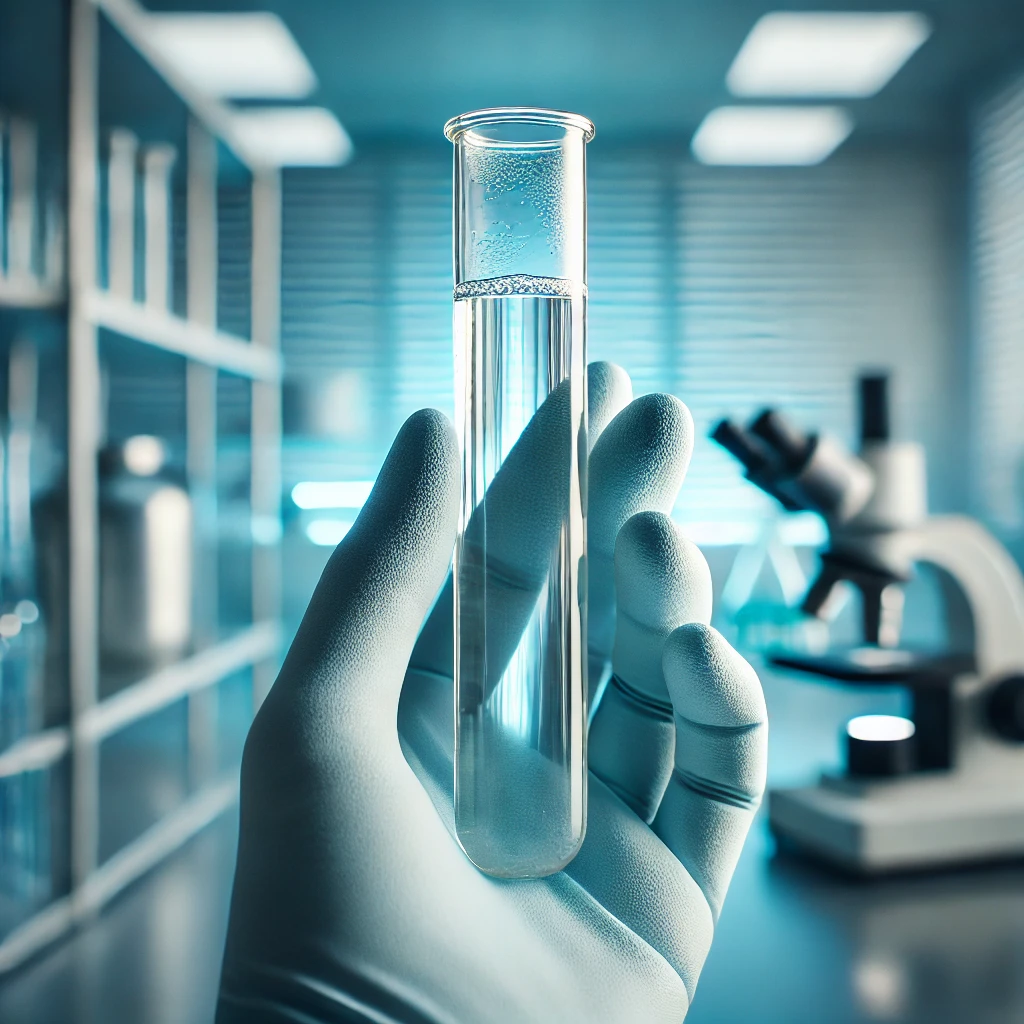
The result is water with significantly reduced levels of dissolved solids and a typical conductivity of approximately ~2.5 µS/cm at 25°C, which is suitable for many laboratory applications.
Key Components of a Laboratory Water Still
Modern water distillation systems consist of several essential components that ensure efficient purification.
1. Boiling Chamber
The boiling chamber is where feed water is heated to generate steam. In professional laboratory equipment, this chamber is typically made from AISI 304 stainless steel to prevent corrosion and ensure long service life.
2. Heating System
The heating element provides the energy required to bring water to its boiling point. Stable and uniform heating is essential for efficient distillation.
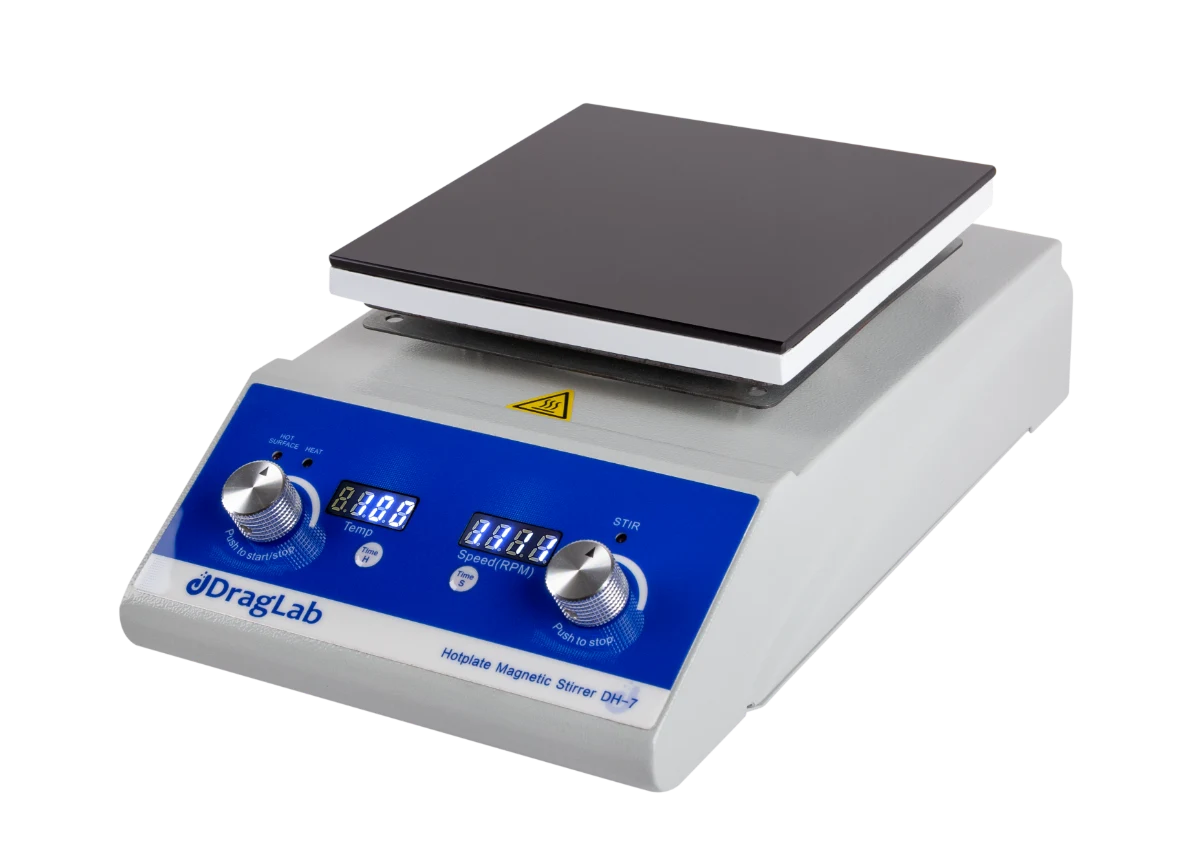
In many laboratory workflows, heating equipment such as the DragLab Hotplate Magnetic Stirrer Series is also used alongside water still systems for sample preparation, reagent heating, and solution mixing. Reliable heating technology ensures precise temperature control across multiple laboratory processes.
3. Condenser
The condenser cools the steam produced during boiling and converts it back into liquid distilled water. Efficient condensation systems are crucial for maximizing water recovery and maintaining energy efficiency.
4. Distilled Water Outlet or Storage Tank
After condensation, purified water is collected in a reservoir or storage tank where it can be accessed for laboratory use.
Some systems include integrated storage tanks that automatically regulate the distillation process depending on the water level.
5. Safety and Control Systems
Modern laboratory water stills incorporate safety features such as:
-
Low-water cut-off protection
-
Overheating protection
-
Automatic water level regulation
-
Continuous operation monitoring
These features ensure safe and reliable operation in laboratory environments.
Applications of Laboratory Distilled Water
Distilled water produced by laboratory water stills is widely used in various scientific disciplines.
Chemical Analysis
Distilled water is essential for preparing reagents and diluting chemical solutions without introducing unwanted ions or contaminants.
Microbiology and Cell Culture
In microbiology laboratories, distilled water is used to prepare culture media and sterilization solutions where purity is critical.
Pharmaceutical Research
Pharmaceutical laboratories rely on purified water for drug formulation, quality control testing, and cleaning laboratory equipment.
Laboratory Equipment Cleaning
High-purity distilled water prevents mineral deposits and contamination when rinsing glassware and analytical instruments.
Advantages of Using a Laboratory Water Still
Although several water purification technologies exist today, distillation remains one of the most reliable methods for producing laboratory-grade water.
Key advantages include:
-
Effective removal of dissolved salts and minerals
-
Reduction of microorganisms and organic contaminants
-
Consistent water purity
-
Simple and durable system design
-
Long operational lifespan with proper maintenance
These advantages make laboratory water stills a dependable solution for laboratories requiring stable and predictable water quality.
Modern Laboratory Water Distillation Solutions
Modern systems such as the DragLab Water Still Series are designed to support laboratories of different sizes by offering scalable production capacities ranging from small research laboratories to high-demand industrial facilities.
These systems combine durable stainless steel construction, automated safety controls, and efficient distillation technology to provide reliable distilled water production for everyday laboratory operations.
Conclusion
A laboratory water still is a fundamental piece of laboratory equipment that produces high-purity distilled water through the process of evaporation and condensation. By effectively removing dissolved salts, microorganisms, and impurities, distillation ensures consistent water quality for scientific experiments, pharmaceutical research, and analytical testing.
When combined with reliable laboratory heating equipment such as the DragLab Hotplate Magnetic Stirrer Series, laboratories can achieve precise control over both water purification and sample preparation processes.
As laboratory standards continue to evolve, dependable distillation systems remain an essential component of scientific infrastructure worldwide.